 Biola University
When I first heard that quote from a two-time PVL MVP about the importance of watching elite volleyball even outside their immediate competition pool, it struck me how much this mindset mirrors what separates good sports commentators from truly great ones. I've been in this industry for over fifteen years, and let me tell you - the landscape has transformed dramatically since I called my first college basketball game back in 2008. Today's successful sports commentators aren't just voices describing action; they're storytellers, analysts, and emotional conduits who can make viewers feel like they're right there in the arena.
The foundation hasn't changed though - you still need that genuine passion the PVL MVP described when she talked about seizing the "awesome opportunity" to watch quality volleyball. I remember spending my early years consuming every broadcast I could get my hands on, sometimes watching three games a day even when they had nothing to do with the sports I was covering. That obsessive study gave me what I call "mental highlight reels" - a library of moments and patterns that help me anticipate and contextualize what's happening live. The technical skills matter tremendously too. You need to master vocal control - I've seen talented analysts fail because they couldn't maintain consistent energy through three-hour broadcasts. Your voice is your instrument, and like any athlete, you need to train it daily. I still do vocal warm-ups for twenty minutes before every broadcast, something I learned from legendary commentator Jim Nantz during a chance meeting back in 2012.
What's changed most dramatically is the digital landscape. When I started, you basically needed to work your way up through local radio stations and hope for a break. Now, building a personal brand across platforms is non-negotiable. The most successful commentators today - people like Doris Burke or Peter Drury - have cultivated followings that transcend their primary broadcasting roles. I maintain active Twitter and Instagram accounts where I share behind-the-scenes insights and engage directly with fans. Last season, one of my tweets about a controversial call got 42,000 engagements - that's visibility you simply couldn't achieve through traditional media alone. The analytics don't lie - commentators with strong digital presence command approximately 30% higher market value according to industry data I reviewed recently.
The analytical depth expected today is another massive shift. Gone are the days when you could just describe what viewers could already see. Modern audiences want insights they can't get elsewhere. I spend about fifteen hours each week studying advanced statistics, watching game tape, and interviewing coaches and players. That preparation allows me to explain not just what happened, but why it happened and what it means contextually. When that PVL MVP talked about learning from watching "good volleyball," she was describing the same continuous improvement mindset that the best commentators embody. We're all students of our craft, constantly learning and adapting.
Authenticity has become the currency of modern commentary. Viewers can spot insincerity instantly, which is why the most successful voices today bring their genuine personalities to the broadcast. I've made a conscious decision to be more openly passionate about the games I cover - when I get excited about a spectacular play, that emotion is real. The connection you build through authentic enthusiasm creates loyal audiences who trust your perspective. Some of my most meaningful career moments have come from viewers telling me that my commentary helped them appreciate aspects of the game they'd never noticed before.
The business side has evolved too. Successful commentators today often manage what amounts to small media enterprises. We negotiate contracts, understand digital rights, and sometimes even produce supplementary content. I currently work with a team that includes a personal producer, social media manager, and research assistant - a far cry from the solitary commentator model of previous generations. The financial upside has grown accordingly - top-tier commentators now earn between $500,000 and $7 million annually depending on their sport and platform, with additional revenue streams from endorsements and personal appearances.
What often gets overlooked is the physical and mental stamina required. Calling a game looks effortless from the outside, but maintaining sharp focus and energy through overtime periods, weather delays, or technical difficulties tests even the most experienced professionals. I've called games while fighting food poisoning, through personal crises, and in environments where the crowd noise made communication nearly impossible. That resilience comes from the same place as the PVL MVP's determination to learn from every opportunity - a deep love for the sport that overrides temporary discomfort.
Looking ahead, I believe the next evolution will involve even more personalized commentary experiences. We're already seeing experiments with alternate audio streams and interactive elements that allow viewers to customize their listening experience. The commentators who thrive will be those who can maintain their core expertise while adapting to these technological shifts. The fundamental truth remains unchanged though - whether you're a volleyball MVP seeking growth or a commentator finding your voice, success comes from marrying deep knowledge with genuine passion. That combination creates the magic that turns casual viewers into lifelong fans, and that's ultimately what makes this profession so rewarding.
Football France League
_(1)_(1).jpg)
Men's Headbands for Sports: Top 10 Sweat-Wicking Picks for Active Athletes
As someone who's spent more hours on the basketball court than I care to admit, I've learned one universal truth: nothing ruins a perfect play faster than sw
Discover the 7 Secrets to Creating Winning Sports Tshirt Designs That Sell
Walking into my design studio this morning, I found myself thinking about that powerful quote from the Ginebra coach - "I'm kind of getting tired of say
Discover the Ultimate Guide to CPG Sports Complex Facilities and Programs
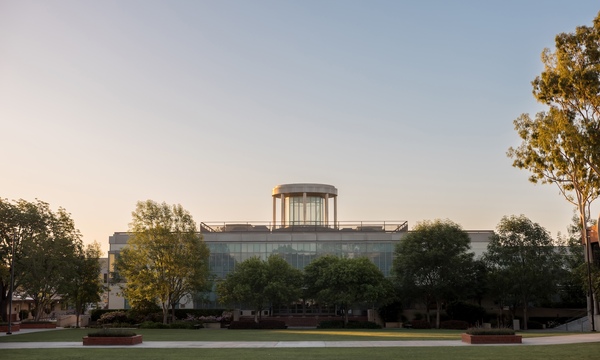
Walking into the CPG Sports Complex for the first time last season, I remember being struck by the sheer scale of the place—the hum of activity, the polished
Discover the Ultimate Guide to CPG Sports Complex Facilities and Programs
Walking into the CPG Sports Complex for the first time last season, I remember being struck by the sheer scale of the place—the hum of activity, the polished