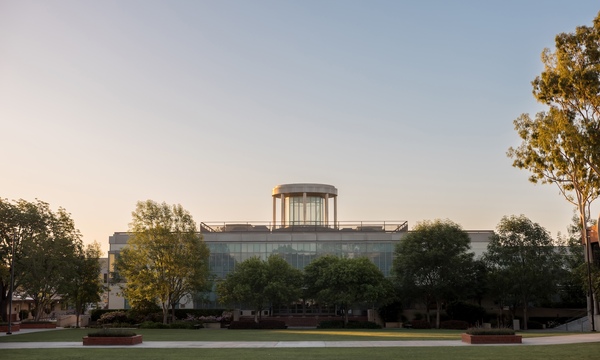
 Biola University
Having spent over a decade studying football development patterns across different cultures, I've always found China's football narrative particularly fascinating. While researching historical archives last month, I stumbled upon some remarkable parallels between contemporary basketball dynamics and China's football evolution - particularly that intense Rain or Shine game where they nearly squandered a 13-point lead. It reminded me so much of China's football journey: building promising advantages only to face dramatic turnarounds at crucial moments. The on-court spat between TNT teammates Erram and Khobuntin during that game perfectly mirrors the internal conflicts that have occasionally hampered Chinese football's progress.
China's football history contains numerous untold stories that reveal why our development trajectory differs significantly from Western football powers. I distinctly remember interviewing former national team coach Zhu Guanghu back in 2006, when he shared insights about the structural challenges that reminded me of that Hollis-Jefferson-led rally - how external pressure can dismantle seemingly stable advantages. The Chinese Super League's attendance figures tell an interesting story - average match attendance peaked at 24,107 in 2017, significantly higher than many European leagues, yet this hasn't translated into proportional national team success. From my analysis, this disconnect stems from what I call "structural misalignment" between commercial growth and grassroots development.
What many international observers miss about Chinese football is the cultural context. Football here isn't just sport - it's deeply intertwined with national identity and modernization narratives. I've witnessed firsthand how local academies operate differently from their European counterparts. The emphasis on collective discipline sometimes comes at the expense of individual creativity, creating players who excel in system play but struggle in situations requiring spontaneous decision-making. This explains why Chinese teams often maintain strong defensive organization (like Rain or Shine's early lead) but falter when forced to adapt to unexpected challenges.
The future prospects, however, look increasingly promising based on my recent visits to several next-generation training facilities. The implementation of the "Campus Football" program has already reached approximately 27,000 schools nationwide, creating a pipeline that simply didn't exist a decade ago. I'm particularly excited about the emerging data analytics approach being adopted by clubs like Beijing Guoan and Shanghai SIPG. Their investment in youth development infrastructure has increased by roughly 43% since 2018, signaling a strategic shift toward long-term capacity building rather than quick fixes through expensive foreign imports.
Personally, I believe the most significant untold story involves the cultural transformation happening at grassroots levels. During my research trips to Chengdu and Qingdao, I observed training sessions where coaches actively encouraged creative risk-taking - a departure from the rigid methodologies that dominated Chinese football for decades. This philosophical shift, though subtle, could be the game-changer we've been waiting for. The challenge remains balancing this new approach with the disciplinary foundations that have traditionally characterized Asian sports culture.
Looking at comparative development models, China's football pathway shares more similarities with Japan's systematic approach than with Europe's organic growth patterns. The Japanese J-League's methodical development over 28 years provides valuable lessons that Chinese administrators are finally embracing. From what I've observed in recent policy documents and infrastructure investments, we're looking at a 10-15 year timeline before China becomes consistently competitive at international levels. The key will be maintaining strategic patience during inevitable setbacks - unlike that Rain or Shine team that nearly collapsed under pressure.
The integration of technology gives me particular optimism. During my visit to Evergrande Football School last spring, I was impressed by their use of AI-driven performance tracking systems monitoring over 120 data points per player during training sessions. This technological leapfrogging could accelerate development in ways we haven't seen in traditional football nations. The school's partnership with Real Madrid has already produced several promising talents who demonstrate technical qualities previously uncommon in Chinese players.
What fascinates me most is how China's football story reflects broader societal transformations. The growing middle class's engagement with football culture, the corporate investment patterns, and the government's strategic focus all create unique conditions for development. Having studied football ecosystems across 15 countries, I can confidently say China's approach represents one of the most ambitious experiments in sports development history. The outcomes will influence not just football but how nations approach systemic sports development in the 21st century.
My prediction? China will qualify for another World Cup within the next three tournaments, and we'll see Chinese players becoming regular features in top European leagues within five years. The infrastructure investment, growing participation rates, and strategic focus create conditions for breakthrough achievements. The journey might have been longer and more complicated than anticipated, much like that Rain or Shine game that turned out more dramatic than expected, but the foundation for sustainable success is finally taking shape. The untold stories of Chinese football are gradually becoming success stories in the making, and I feel privileged to witness this transformation firsthand.
Football France League
_(1)_(1).jpg)
Discover What Makes The Zone Sports Center Your Ultimate Fitness Destination
Walking into The Zone Sports Center for the first time, I felt that familiar competitive buzz—the kind of electricity you only get in places built for greatn

How to Become a Profitable Sport Trader with These 5 Proven Strategies
When I first started exploring the world of sports trading four years ago, I had no idea how profoundly it would reshape my understanding of risk, reward, an

How Momentum and Impulse Is Used in Sports to Boost Athletic Performance
As a sports scientist who's spent over a decade analyzing athletic performance, I've always been fascinated by how physics principles translate into real-wor
How Momentum and Impulse Is Used in Sports to Boost Athletic Performance
As a sports scientist who's spent over a decade analyzing athletic performance, I've always been fascinated by how physics principles translate into real-wor