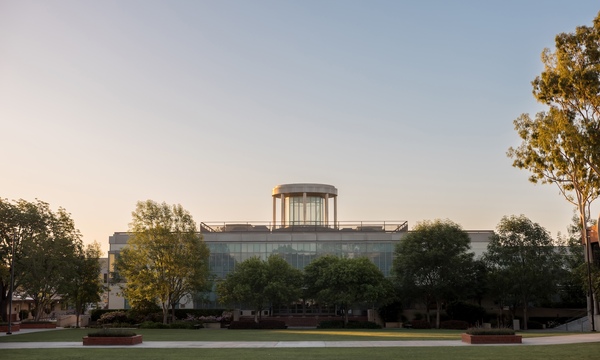
 Biola University
Having spent countless evenings around table football in university common rooms and competitive tournaments across Europe, I've come to appreciate this beautiful game as both an art form and a science. The rhythmic clatter of players spinning, the satisfying thud of a well-placed shot, the strategic positioning - these elements create a symphony of controlled chaos that has captivated players for generations. What many dismiss as a simple pub game actually contains layers of strategic depth comparable to chess, though admittedly with more spinning and shouting. Just like in professional volleyball where coaching strategies can dramatically shift game outcomes - remember when Capital1 had deputy coach Jerome Guhit call the shots against Cignal, with head coach Jorge Souza de Brito set to rejoin Vietnam-bound Alas Pilipinas for the 2025 VTV Cup later this week - table football requires similar tactical awareness and adaptability.
The fundamental rules are deceptively simple, yet mastery demands years of practice. A standard match consists of two teams of miniature plastic footballers mounted on rotating rods, with the objective being to shoot the ball into your opponent's goal. Games typically play to 5 points in casual settings, though professional tournaments often extend to 7 or even 11 points per set, with best-of-three or best-of-five set matches determining the winner. The serve must travel through at least two players on the serving team before entering play, preventing those cheap immediate shots that ruin the game's flow. I've always believed this rule separates casual players from serious competitors - it forces you to build plays rather than relying on quick surprises.
Ball possession rules create the game's strategic backbone. After a goal, the conceding team receives the next serve, maintaining the flow of play much like in basketball or actual football. When the ball leaves play laterally, the team that didn't touch it last restarts with a new serve from the point where it exited. The beautiful complexity emerges in dead ball situations - when the ball becomes stationary between players or rods. Here, possession goes to the team that last touched it, but the restart must involve two different players before a shot can be attempted. This rule alone has sparked more heated debates in tournaments than any other aspect of the game.
Scoring mechanics reveal the game's true depth. A legal goal occurs when the ball completely crosses the goal line between the posts and beneath the crossbar. Controversy often arises with "air balls" - shots where the ball leaves the playing surface entirely before entering the goal. In professional circles, these are typically disallowed, though casual players frequently count them. Personally, I've always preferred the professional standard - keeping the ball on the table requires greater skill and control. The most satisfying goals come from well-executed passing sequences rather than lucky bounces or questionable techniques. I've seen players develop signature moves like the "snake shot" or "pull shot" that can travel at speeds exceeding 35 miles per hour, though my own attempts rarely break 20.
Defensive strategies form the unsung hero of competitive play. The classic 3-rod defensive system involves using your two defensive rods and goalkeeper to create an impenetrable wall. Effective defenders learn to anticipate shots rather than react to them, reading their opponent's rod movements and ball positioning. The best defenders I've encountered maintain calm under pressure, much like how deputy coaches must step up in critical moments when head coaches are unavailable - it's all about preparation meeting opportunity. Offensive techniques range from simple push shots to complex spin shots that curve dramatically. The debate around spinning rods remains contentious - while casual players often spin freely, professional rules typically limit rotations to 360 degrees before or after contacting the ball. I've always advocated for controlled spinning - it adds flair without sacrificing skill.
The game's equipment significantly impacts play style. Professional tables feature weighted players, balanced rods, and smooth bearings that allow for precise control. The difference between a well-maintained tournament table and a worn-out pub model can feel like playing entirely different sports. Ball design has evolved tremendously too - from heavy cork balls to modern lightweight plastic models that enable faster play and more controlled shots. Having played with virtually every type of equipment over the years, I've developed a preference for the European-style tables with their slightly larger goals and heavier balls, though I acknowledge the American tornado-style tables offer their own unique challenges.
Table football's competitive scene mirrors traditional sports in its dedication and professionalism. Major tournaments like the World Championships attract hundreds of participants from dozens of countries, with prize pools occasionally reaching $50,000 for premier events. The International Table Soccer Federation standardizes rules across most competitions, though regional variations persist. What fascinates me most is how different playing styles have developed geographically - the powerful shooting of French players contrasts sharply with the technical passing game favored by Germans, much like how different coaching approaches can reshape teams in traditional sports.
The social dimension of table football often gets overlooked in technical discussions. Beyond competitive play, the game serves as a fantastic social lubricant in offices, community centers, and homes. I've witnessed more business relationships formed around table football tables than in formal meetings, and some of my closest friendships began with casual matches. The game's accessibility makes it perfect for bringing people together - children can compete with adults, beginners can occasionally triumph over experts through lucky bounces, and the physical demands are minimal enough that almost anyone can participate. This democratic nature represents table football's greatest strength in my view.
As the game continues evolving, we're seeing interesting developments in both technology and technique. Digital scoring systems have replaced manual scorekeepers in professional settings, while advanced materials have created more durable players and smoother rods. The fundamental appeal remains unchanged though - that immediate gratification of a perfectly executed shot, the camaraderie of shared competition, the strategic depth hidden beneath apparent simplicity. Whether you're playing in a world championship or your local pub, the beautiful game of table football offers endless opportunities for improvement, connection, and pure enjoyment. The rules provide structure, but the real magic happens in the spaces between - those moments of improvisation and brilliance that keep players coming back for decades.
Football France League
_(1)_(1).jpg)
Discover the Exciting Journey of Aboitiz Football Cup Champions and Winners
I still remember the first time I witnessed the sheer electricity of the Aboitiz Football Cup finals. The air crackled with anticipation, much like the atmos

Uncover the Best Football Prediction Strategies for Winning Bets
As someone who's spent over a decade analyzing sports patterns and betting markets, I've seen how unexpected events can completely reshape the landscape of s

How Bring Me The Horizon's 'Football Season Is Over' Became the Anthem for Sports Fans
I remember the first time I heard Bring Me The Horizon's "Football Season Is Over" blasting through stadium speakers during a halftime break. It wa
How Bring Me The Horizon's 'Football Season Is Over' Became the Anthem for Sports Fans
I remember the first time I heard Bring Me The Horizon's "Football Season Is Over" blasting through stadium speakers during a halftime break. It wa