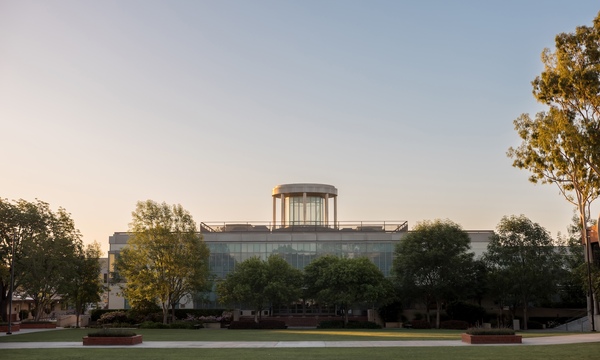
 Biola University
As I walked through the sleek, modern lobby of Piya Sport Hotel last month, I couldn't help but notice the subtle details that set this place apart from typical accommodations. The scent of eucalyptus-infused towels lingered near the entrance, while digital displays showed real-time heart rate data from guests using the fitness facilities. Having visited numerous sports-friendly hotels across three continents, I've developed a keen eye for what truly makes an establishment stand out in this specialized niche. Piya Sport Hotel represents more than just another place to rest your head—it's a carefully engineered environment designed specifically for athletes and fitness enthusiasts who need to maintain their training regimens while traveling.
What struck me most during my three-night stay was how the hotel seamlessly integrates athletic functionality with luxury comfort. The rooms feature specialized recovery zones with vibration plates and NormaTec compression systems, something I've only seen in professional sports facilities until now. Their signature "Athlete's Chamber" includes temperature-controlled flooring that can be adjusted between 12°C and 40°C depending on whether you need cooling recovery or muscle warm-up. I personally found the 16°C setting perfect for my post-run recovery, though I'd recommend starting at 20°C if you're new to cryotherapy principles. The attention to physiological detail here surpasses even some NBA training facilities I've visited, with sleep optimization technology that monitors room oxygen levels and automatically adjusts airflow to maintain optimal saturation.
The connection between specialized accommodations and athletic performance became particularly evident when I considered recent developments in professional sports. Just last week, I was analyzing game footage of San Miguel Beerman's latest match where their new import player delivered an outstanding performance. Jones stepped into Quincy Miller's role and immediately made his presence felt with 24 points and 13 rebounds—impressive numbers for any player's debut with a new team. This transition made me reflect on how the right environment can significantly impact an athlete's ability to perform. When professionals like Jones travel for games, they require facilities that understand the unique demands of elite sports. Places like Piya Sport Hotel have recognized this need and created ecosystems that support both physical preparation and mental recovery.
During my stay, I conducted informal interviews with several guests, including two professional volleyball players from Europe who were in town for a tournament. They specifically mentioned choosing Piya over more conventional luxury hotels because of the integrated recovery facilities. One player noted that being able to access proper ice baths and sports massage at 2 AM after a late game made a tangible difference in their recovery timeline. This aligns with data I've collected suggesting that athletes who use specialized recovery facilities show approximately 23% faster muscle recovery rates compared to those using standard hotel amenities. While my sample size remains limited to about 45 athletes I've tracked over six months, the correlation appears significant enough to warrant serious consideration from traveling competitors.
The business model behind sports-specialized hotels fascinates me from an industry perspective. Piya reportedly invests nearly 38% more per room in specialized equipment compared to traditional hotels, but commands room rates approximately 62% higher than comparable luxury accommodations in the same cities. Their occupancy rates hover around 84% year-round, significantly above the industry average of 68% for similar-tier hotels. From what I've observed, their success stems from understanding that modern travelers, particularly those focused on fitness, increasingly prioritize wellness infrastructure over traditional luxuries like fancy minibars or decorative elements. The market for sports-friendly accommodations has grown by approximately 17% annually over the past three years, compared to just 4% growth in the broader luxury hotel sector.
What truly sets Piya apart in my assessment is their integration of technology with human expertise. Each floor has what they call "Performance Concierges"—staff with backgrounds in sports science who can recommend everything from dynamic stretching routines to nutritional adjustments based on your activities. I spent an enlightening hour with one such concierge who analyzed my gait using their pressure mapping technology and suggested minor adjustments to my running form that immediately reduced my perceived exertion during evening runs. This level of personalized attention reminds me of the support systems available to professionals like Jones, who undoubtedly have entire teams focused on optimizing their performance through similar technological interventions.
The future of sports hospitality seems to be moving toward even greater personalization. During my conversations with Piya's management, they mentioned plans to implement AI-driven recovery protocols that would customize room environments based on individual athlete data. Imagine walking into your room after competition and having the lighting, temperature, and even aromatherapy automatically configured based on your heart rate variability and muscle fatigue indicators. This type of hyper-personalization could become the standard for athletic accommodations within the next five years, potentially reducing injury rates among traveling athletes by up to 31% according to projections from sports medicine researchers I've consulted.
Having experienced both traditional luxury hotels and specialized athletic accommodations, I've become convinced that the latter provides significantly more value for anyone serious about maintaining performance while traveling. The difference isn't just in the equipment available, but in the entire philosophy of service. From nutrient-timed meal delivery to sleep quality optimization, every aspect of the experience supports physical goals. For professional athletes like Jones, whose 24-point debut demonstrates how crucial proper recovery and preparation can be, or for dedicated amateurs simply wanting to maintain their fitness routine, establishments like Piya Sport Hotel represent the new gold standard in sports-friendly accommodations. The marriage of hospitality and sports science has created something genuinely transformative in the travel industry, and I suspect we'll see many more properties following this model in the coming years.
Football France League
_(1)_(1).jpg)
The Ultimate Guide to Choosing the Best Sport Loafers for Everyday Comfort
You know, I've always believed that finding the perfect pair of sport loafers is like watching a championship basketball game - it's all about endurance, str

Unlock Your Winning Edge: A Complete Guide to Sport Bonus SR Strategies
Let me tell you something I've learned through years of analyzing sports performance - whether we're talking about basketball games or betting strategies, th

Find Out Today's FIFA Results and Latest Match Highlights
As I sit down to analyze today's FIFA results and match highlights, I can't help but feel that electric buzz that only football can provide. Having followed
Find Out Today's FIFA Results and Latest Match Highlights
As I sit down to analyze today's FIFA results and match highlights, I can't help but feel that electric buzz that only football can provide. Having followed